Hands-on, Practical Guidance for Educators
From math,
literacy, equity, multilingual learners, and SEL, to assessment, school counseling,
and education leadership, our books are research-based and authored by experts
on topics most relevant to what educators are facing today.
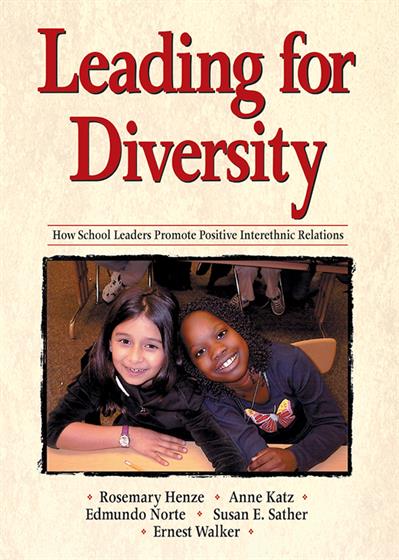
Leading for Diversity
This timely volume provides powerful models of leadership that are effective in developing schools where positive interethnic relations can flourish. Schools can be vehicles for positive change in race/ethnic relations when proactive leadership is developed and maintained. Readers will learn to
- Recognize and develop their own leadership strengths in a diverse school
- Assess how organizational structures support or constrain positive relations
- Understand the nature of ethnic conflict or tension in your school
- Identify your school's priority needs
- Develop a core vision of interethnic relations
- Create and implement a plan for promoting positive interethnic relations
- Document the effectiveness of your plan
Leadership can emerge not only from principals and other administrators, but also from teachers, parents, counselors, students, and community human relations professionals who must deal every day with a range of issues and problems including gang violence, racial conflict, and staff divisions. By addressing the underlying sources of these conflicts, leaders can move from a reactive stance to a proactive one.
- Grade Level: PreK-12
- ISBN: 9780761978985
- Published By: Corwin
- Year: 2002
- Page Count: 216
- Publication date: October 08, 2012
Price: $43.95
For Instructors
When you select 'request review copy', you will be redirected to Sage Publishing (our parent site) to process your request.
Description

"I strongly endorse this book and feel that it holds great promise for the field."
Ray Terrell
Coauthor of Cultural Proficiency
Proactive leadership fosters strong interethnic communities!
Ray TerrellCoauthor of
This timely volume provides powerful models of leadership that are effective in developing schools where positive interethnic relations can flourish. Countering the often-heard belief that troubled race relations are endemic to schools, author Rosemary Henze and her team of researchers face the issue head on by incorporating diversity issues into educational leadership. Schools are vehicles for change in race/ethnic relations when proactive leadership is developed and maintained.
Vignettes and case studies allow you to assess and develop your leadership skills in interethnic relations by helping you to
- Recognize and develop their own leadership strengths in a diverse school
- Assess how organizational structures support or constrain positive relations
- Understand the nature of ethnic conflict or tension in your school
- Identify your school's priority needs
- Develop a core vision of interethnic relations
- Create and implement a plan for promoting positive interethnic relations
- Document the effectiveness of your plan
The broad concept of leadership presented here includes not only principals and administrators, but also teachers, parents, counselors, students, and community human relations professionals who emerge as leaders facing a range of issues—including gang violence, racial conflict, staff divisions, and other issues—that need to be addressed in the area of interethnic interactions. These representatives of schools with diverse populations form leadership teams able to speak out for real educational reform in reducing racism and prejudice in schools.
Watch the Leading for Diversity Video.
Download the Facilitator's Guide.
Author(s)